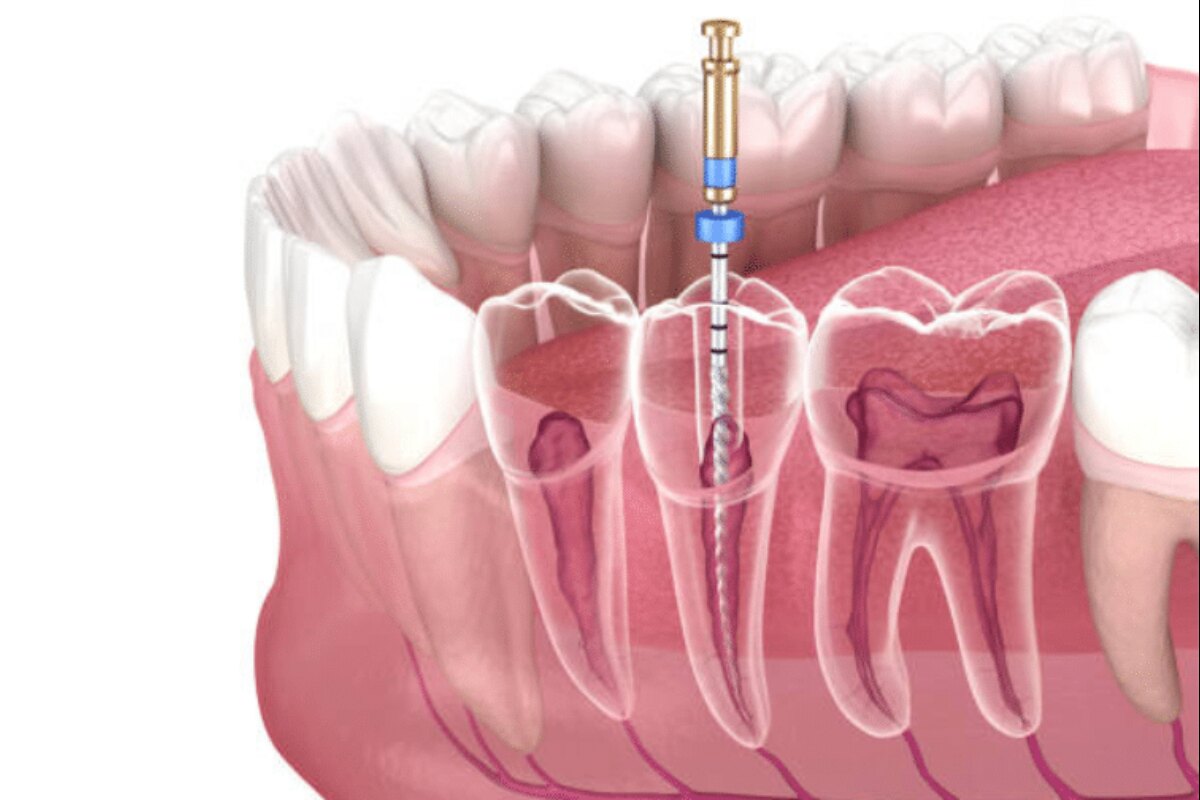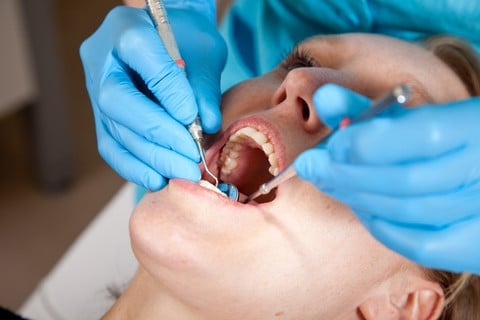
Caring for your teeth is key. Dentists understand the discomfort tooth decay brings. A dentist in Tawas City MI is trained to spot decay early, preventing pain and complications. You might wonder how they do this. Dentists use tools like X-rays to find hidden decay. They check for soft spots on teeth. They ask questions about your eating habits to understand risks better. Treatments vary. Fillings, crowns, or root canals stop decay from spreading. Regular check-ups catch decay early, making treatment easier and less painful. Detected too late, decay can lead to tooth loss. You can prevent decay. Brushing twice a day, flossing daily, and avoiding sugary snacks protect your teeth from harm. Remember, professional care makes a big difference. The dentist’s expertise eases worry and keeps your smile healthy. Trust in their skill to guide you to better oral health. Your well-being matters. Take action today.
Detection Methods
Spotting tooth decay before it worsens is crucial. Dentists employ various techniques to ensure they catch decay early. One common method is using a dental explorer, a tool to probe for soft areas on teeth. X-rays are vital as well. They reveal decay beneath the surface. Visual exams also play a role. Dentists look for discoloration and spots that signal early decay.
Understanding your lifestyle is part of the process. Dentists inquire about your diet, particularly sugar intake. They assess your dental hygiene routine, helping identify habits that could harm your teeth.
Treatment Options
When decay is detected, treatment options vary. The goal is to stop decay and restore tooth function. Here’s a comparison of common treatment methods:
| Treatment Method | Description | When Used |
|---|---|---|
| Fillings | Material used to fill cavities | For small to medium decay |
| Crowns | Cap placed over damaged tooth | For large decay or fractured teeth |
| Root Canals | Removal of infected pulp inside tooth | When decay reaches the tooth’s pulp |
Prevention Tips
Preventing decay is simpler than treatment. Consistent dental care at home can stop decay before it starts. Here are three steps you can take:
- Brush your teeth twice daily with fluoride toothpaste.
- Floss daily to remove food particles between teeth.
- Limit sugary snacks and drinks, which feed harmful bacteria.
Regular dental check-ups are equally important. Visiting your dentist every six months allows them to monitor your oral health and provide guidance tailored to you.
Why Dental Care Matters
The consequences of ignoring tooth decay are serious. Pain, infection, and tooth loss are possible. Paying attention to your dental health protects against these issues. Early intervention saves teeth and reduces long-term costs.
Moreover, your oral health affects your overall well-being. Gum disease links to systemic health problems such as heart disease and diabetes. By maintaining healthy teeth and gums, you support a healthier body.
Your Next Steps
Now is the time to prioritize your dental health. If you suspect tooth decay, seek professional help immediately. If it’s been a while since your last check-up, schedule an appointment with a trusted dentist. They will assess your needs and guide you on the path to better dental health.
Your smile deserves the best care. By addressing decay early, you ensure a brighter, healthier future for your teeth. Partner with your dentist to maintain a beautiful, pain-free smile.