Caring for your teeth is crucial. Cavities and gum disease are common problems that affect your health. Ignoring them leads to pain and expensive treatments. A healthy mouth helps you eat, speak, and smile confidently. Protecting your teeth begins with understanding risks and taking simple steps to prevent them. Brushing and flossing daily are your first defense. Regular check-ups with a reliable Juno Beach dentist ensure early detection of problems. Eating a balanced diet, limiting sugary snacks, and drinking water are also important. By following these steps, you maintain a clean and strong mouth. Your smile deserves attention and care. Small changes make a big difference in keeping cavities and gum disease at bay. Prioritize your dental health today.
Understanding Cavities and Gum Disease
Cavities form when bacteria in your mouth produce acid that erodes tooth enamel. This process creates holes or cavities in your teeth. Gum disease, or periodontal disease, starts with plaque—sticky bacteria-laden film covering teeth. Over time, plaque hardens into tartar, irritating gums and leading to inflammation, known as gingivitis. Without treatment, gingivitis escalates to periodontitis, causing gum recession and bone loss.
Effective Oral Hygiene Practices
Daily brushing and flossing are key to preventing cavities and gum disease. Brush teeth twice daily with fluoride toothpaste. Fluoride strengthens enamel and helps reverse early decay stages. Use a soft-bristled toothbrush to avoid damaging gums and enamel. Replace your toothbrush every three to four months or after illness.
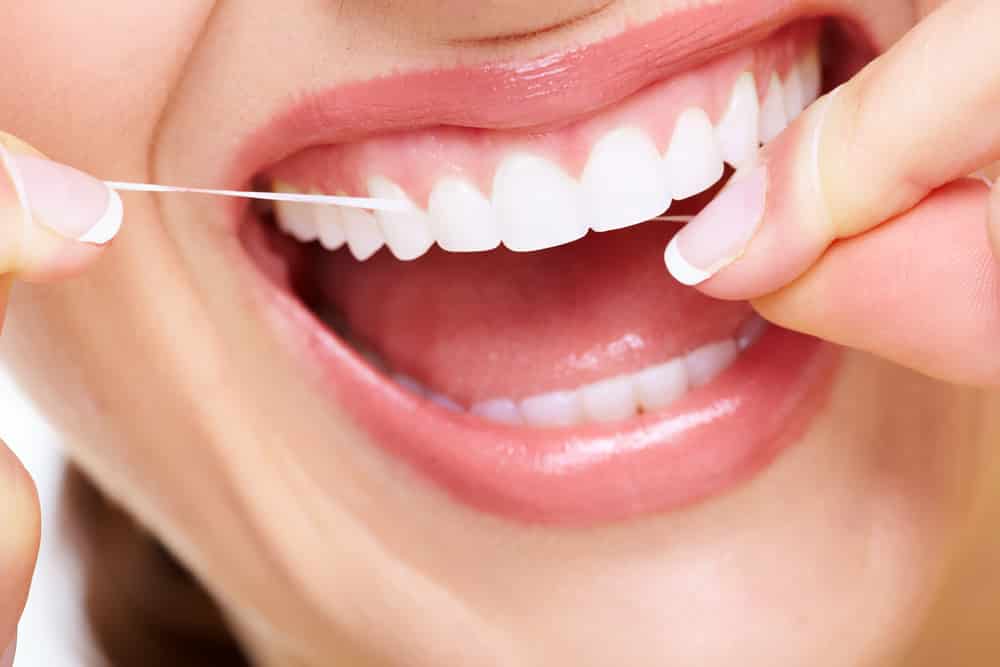
Flossing removes food particles and plaque between teeth where brushes can’t reach. Floss once daily to prevent gum disease. Consider using interdental brushes or water flossers for hard-to-reach spots.
The Role of Diet in Oral Health
A healthy diet supports strong teeth and gums. Limit sugary foods and drinks, as they fuel harmful bacteria. Opt for whole foods like fruits, vegetables, whole grains, lean proteins, and dairy. These foods provide essential nutrients for oral health.
Calcium-rich foods like milk, cheese, and yogurt fortify teeth. Crunchy fruits and vegetables stimulate saliva production, which neutralizes acids and washes away food particles. Drink plenty of water to maintain saliva flow and rinse your mouth.
Regular Dental Visits Are Essential
Dental check-ups every six months help catch issues early. Your dentist cleans your teeth, removing plaque and tartar buildup. Routine exams spot problems like cavities, gum disease, and oral cancer early, preventing further damage.
During your visit, ask your dentist about sealants and fluoride treatments. Dental sealants protect molars from decay, and fluoride treatments strengthen enamel.
Comparison of Common Oral Health Practices
| Practice | Benefits | Frequency |
|---|---|---|
| Brushing | Removes plaque, strengthens enamel | Twice daily |
| Flossing | Cleans between teeth, prevents gum disease | Once daily |
| Dental Check-ups | Detects issues early, professional cleaning | Every 6 months |
| Healthy Diet | Supports tooth and gum health | Daily |
Common Misconceptions About Oral Health
Many believe brushing harder yields better results. However, aggressive brushing damages enamel and gums. Use gentle, circular motions instead.
Another misconception is that cavities are only a problem for children. Adults can develop cavities too, especially with receding gums that expose tooth roots.
Some think gum disease is rare. In reality, gum disease affects many people. Early stages are reversible with proper care.
Resources for Further Information
For more tips on maintaining oral health, visit the Centers for Disease Control and Prevention website. The American Dental Association provides a list of ADA-accepted dental products to ensure quality and safety.
In conclusion, taking care of your teeth requires diligence. By following these guidelines, you can maintain a healthy, pain-free smile. Regular dental care and mindful habits go a long way in preventing cavities and gum disease.