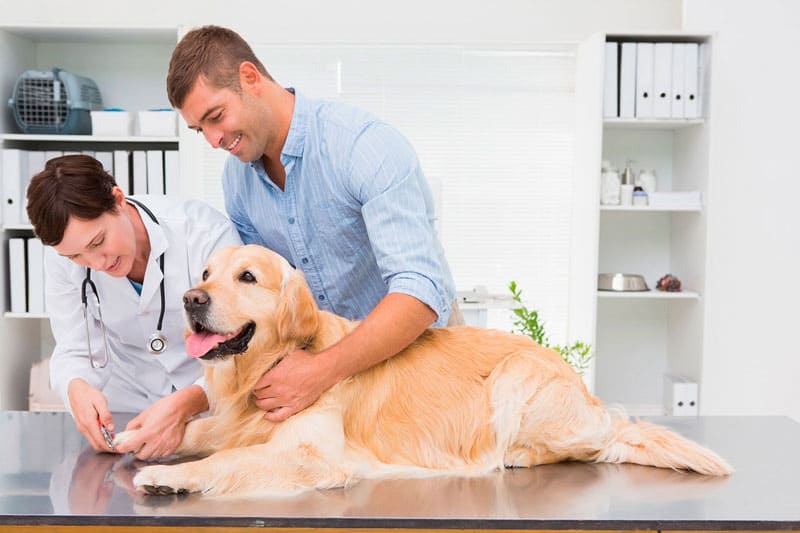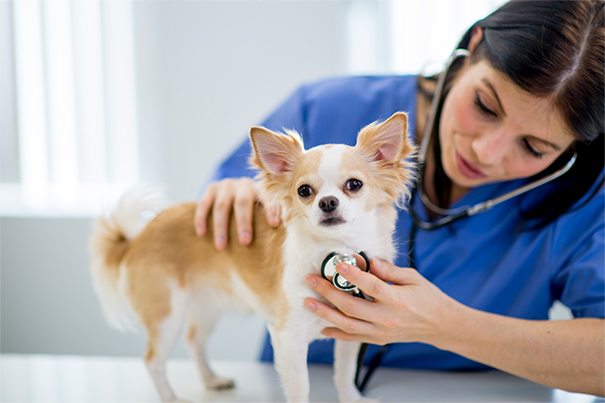
Caring for a senior pet involves more than occasional vet visits. Your trusted veterinarian in South Boise plays a crucial role in your pet’s wellness all year. Regular check-ups and preventive care help spot health issues early. Early detection means a better quality of life for your pet. You’ll work with the vet to create a balanced diet plan tailored for your senior pet. This plan will support joint health and manage weight. Vaccinations and parasite control are also part of the routine, ensuring your pet stays healthy. The vet may suggest dental care to prevent pain and infection. Consistent monitoring helps adjust treatments as your pet ages. This proactive care keeps your pet comfortable and happy. As you navigate your pet’s golden years, your vet partner remains a steady guide. Together, you ensure your pet enjoys a longer, healthier life.
Regular Check-Ups and Early Detection
Routine vet visits provide more than reassurance. They are key in catching problems that can develop into serious issues. Yearly or biannual exams help the vet spot subtle changes in your pet’s health. Early detection of conditions like arthritis, diabetes, or heart disease enables timely intervention. When managed early, these conditions are less likely to impact your pet’s quality of life. A study by the American Veterinary Medical Association highlights that regular check-ups extend a pet’s lifespan. Early intervention also reduces stress for both you and your pet. This proactive approach leads to a more joyful and energetic companion.
Tailored Nutrition Plans
Nutritional needs change as pets age. Your vet tailors a diet that addresses your senior pet’s specific needs. Balanced nutrition supports healthy joints and maintains optimal body weight. This can help prevent common age-related issues like obesity and joint pain. Your vet may recommend foods rich in antioxidants and omega-3 fatty acids. These nutrients support brain health and reduce inflammation. Below is a comparison of typical nutrient needs for adult versus senior pets:
| Nutrient | Adult Pets | Senior Pets |
|---|---|---|
| Calories | Higher | Lower |
| Protein | Moderate | High |
| Fat | Moderate | Low |
This table illustrates the adjustments often made to senior pet diets. Work with your vet to find the best diet for your pet’s needs.
Vaccinations and Parasite Control
Vaccinations remain crucial as pets age. They protect against serious diseases that can affect older pets more severely. Regular vaccinations shield senior pets from infections that their immune systems may not fight off as effectively. Parasite control is equally important. Fleas, ticks, and worms can cause significant health problems in senior pets. Your vet will recommend a regular schedule of vaccines and parasite preventatives. This keeps your pet protected and comfortable.
Dental Care
Oral health is often overlooked but is essential for senior pets. Dental problems can lead to pain and infection, affecting your pet’s overall health. Routine cleanings and at-home dental care can prevent these issues. Your vet will check your pet’s teeth during regular check-ups. They may recommend professional cleanings or special dental diets. A healthy mouth supports a healthy body, enhancing your pet’s quality of life.
Monitoring and Adjusting Care
Continuous care is important as your pet ages. Your vet will monitor your pet’s condition and suggest adjustments as needed. They may change medications or therapies to better suit your pet’s current needs. This flexibility ensures your pet receives the best care possible at every life stage. Monitoring extends beyond the vet’s office. Pay attention to changes in your pet’s behavior, appetite, or mobility. Report these changes to your vet to help guide treatment decisions.
Your Partner in Pet Care
In the journey through your pet’s senior years, your vet is a crucial partner. Their expertise guides you through each step, ensuring your pet remains healthy and content. This collaborative effort builds a strong foundation for your pet’s well-being. With your veterinarian’s support, you can confidently care for your senior pet, enhancing their life and yours.