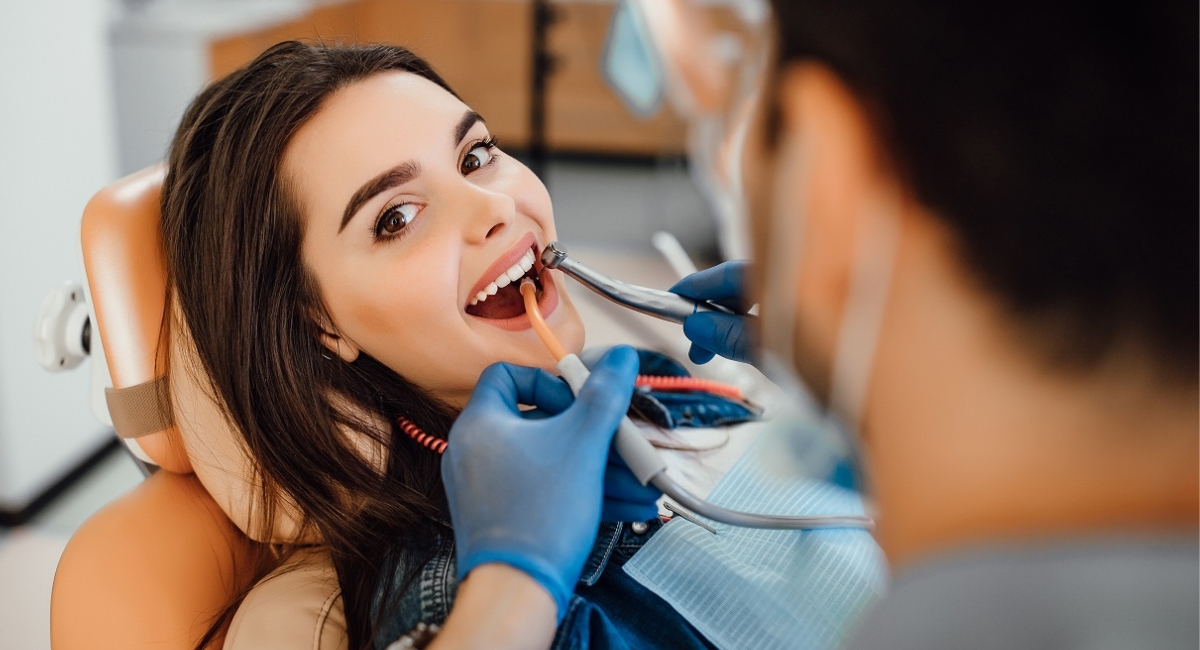
Good oral hygiene impacts your overall health. Clean teeth and gums help prevent diseases and improve your well-being. You protect more than just your smile. Regular dental visits are crucial. For instance, a general dentist in Aurora, IL helps detect early signs of trouble. This can include gum disease linked to serious conditions like heart disease and diabetes. Your mouth is the gateway to your body. Bacteria from poor oral care may enter your bloodstream. This can lead to inflammation and infections. Brushing and flossing daily reduce these risks. You support your immunity and digestion by maintaining healthy teeth. Make oral care a priority. Take steps to improve your quality of life. Remember, a healthy mouth reflects a healthy body. Be proactive about your dental health. Book regular check-ups. This supports your overall health. Your well-being starts with your teeth. Let’s explore how oral hygiene can lead to lasting health benefits.
The Connection Between Oral Health and Diseases
Your mouth isn’t just for eating. It plays a critical role in your body’s health. Poor oral care leads to more than just cavities. It affects your whole body. Research shows that gum disease can connect with heart disease. Inflammation from gum disease might contribute to clogged arteries. Diabetes can also worsen dental problems. It reduces your ability to fight infections, including in your gums. Thus, maintaining oral hygiene is crucial for managing diabetes.
To understand this connection, it’s important to know how common conditions relate to your oral health:
| Condition | Oral Health Link |
|---|---|
| Heart Disease | Gum disease might increase heart disease risk due to inflammation. |
| Diabetes | Poor oral health makes diabetes harder to control, raising blood sugar levels. |
| Respiratory Issues | Inhaling bacteria from poor dental hygiene may lead to lung infections. |
To read more on how oral health affects your body, check out this resource from the Centers for Disease Control and Prevention.
Simple Steps for Better Oral Health
Improving oral health doesn’t need to be hard. Small daily habits make a big difference. Start with these steps:
- Brush your teeth twice daily. Use fluoride toothpaste for best results.
- Floss once a day to remove food particles and plaque between teeth.
- Eat a balanced diet. Limit sugary snacks and drinks to protect your teeth.
- Replace your toothbrush every three to four months, or sooner if bristles are frayed.
- Visit your dentist regularly for check-ups and cleanings.
For more tips, visit the American Dental Association’s Mouth Healthy website.
The Emotional Impact of Oral Health
Don’t underestimate the emotional effects of good oral hygiene. A healthy smile boosts your confidence. It encourages you to engage more socially. Poor oral health can lead to embarrassment and anxiety. You may avoid social interactions. This impacts your mental well-being. Therefore, taking care of your mouth can enhance your emotional health.
The Lifelong Benefits
Establishing good oral hygiene habits from a young age sets the foundation for a healthier life. Encourage your children to brush and floss daily. Teach them the importance of dental visits. These habits follow them into adulthood, reducing their risk for future health issues.
A lifetime of good oral hygiene supports a long and healthy life. It isn’t just about avoiding cavities. It’s about preventing diseases that can impact your body. Take control of your health today. Start with your oral care routine.
In conclusion, oral health is a critical part of your overall well-being. By understanding the connections, adopting simple daily habits, and advocating for dental care, you protect your health and enhance your quality of life. A healthy mouth isn’t just about beauty. It’s a gateway to a healthy body and mind.