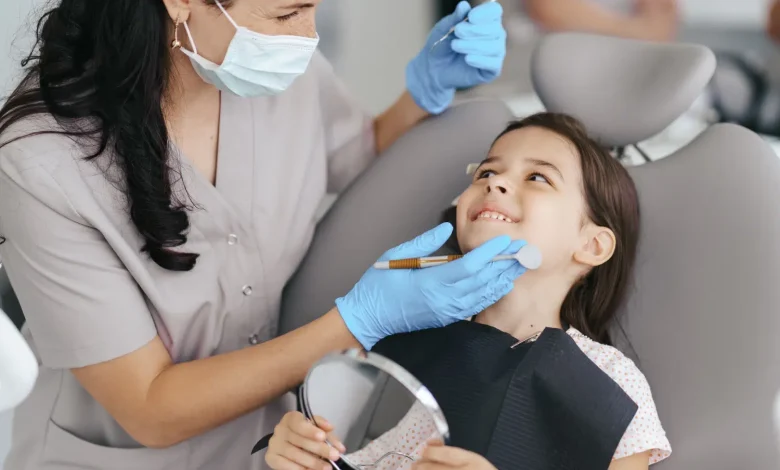
You might wonder when you should see an orthodontist in Redlands, Ca. The answer could impact your dental health and confidence. Timing matters. Early visits can detect issues before they worsen. Children often benefit from checkups around age seven. This allows for early guidance on jaw growth and tooth alignment. However, adults shouldn’t hesitate either. Misalignment can cause pain and affect your smile. Visiting an orthodontist is not only about appearance. It affects chewing, speaking, and overall comfort. Neglect can lead to more expensive and invasive treatments later. Listen to your body. If you experience discomfort or notice changes in how your teeth fit together, seek advice. The right time to see an orthodontist is not a one-size-fits-all answer. It depends on your age, symptoms, and dental history. Addressing concerns early can prevent complications. Your journey to better dental health can start with a simple consultation.
Why Timing is Crucial
When it comes to orthodontic care, timing plays a crucial role. Early detection of dental problems can simplify treatment. For children, an early visit ensures that growth-related issues are addressed. This can help avoid more complex procedures later. According to the American Association of Orthodontists, age seven is ideal for an initial evaluation. This doesn’t mean treatment will start immediately. It allows the orthodontist to monitor development over time. Adults also need to pay attention to the signs. Speech difficulties, difficulty chewing, or teeth grinding are red flags. Addressing these issues early can prevent further complications.
Understanding the Benefits for Children
For children, the benefits of early orthodontic evaluation are numerous. During growth spurts, the jaws and teeth can adjust more easily. Treating issues early can guide jaw growth, reduce trauma to protruding teeth, and improve facial appearance. The table below highlights common orthodontic issues and optimal ages for intervention.
| Orthodontic Issue | Optimal Age for Evaluation |
| Crossbite | 7-9 years |
| Overbite | 7-11 years |
| Crowding | 7-12 years |
Benefits for Adults
Adults can also benefit greatly from orthodontic treatment. Modern techniques allow for discreet and efficient care. Clear aligners and less visible braces make treatment much more appealing. It’s not just about aesthetics. Correctly aligned teeth and jaws can reduce pain, improve speech, and enhance chewing ability. Adults often worry they missed their chance during childhood. However, it’s never too late to seek orthodontic attention. The Centers for Disease Control and Prevention supports regular dental visits to maintain oral health, which includes orthodontic assessments when necessary.
Signs That You May Need to See an Orthodontist
Recognizing the signs that you need orthodontic advice can save you trouble. Here are three key indicators:
- Difficulty biting or chewing: Misaligned teeth can make eating uncomfortable.
- Speech issues: If you notice a lisp or slurred speech, teeth may need adjusting.
- Jaw pain or clicking: This can signal a problem with alignment or bite.
Next Steps: Scheduling an Appointment
Once you recognize the signs or decide on an evaluation, the next step is scheduling an appointment. Consultations are simple and provide clarity on your needs. You can ask questions and understand the best course of action. The orthodontist will assess your mouth, possibly using X-rays or other diagnostic tools. This helps in developing a tailored treatment plan. Regular follow-ups ensure that you’re on track towards better dental health.
Conclusion
Understanding when to see an orthodontist is important for both children and adults. Whether it’s for a preventive check or addressing specific issues, timing is key. Early detection can simplify treatment and improve outcomes. Trust the signs your body gives you. A proactive approach can enhance your health, comfort, and confidence. Don’t wait for problems to escalate. Embrace the chance to ensure better oral health today.